96 Celsius: The Coffee Shop That Made One Number Its Entire Philosophy
The number is on everything — the window, the cups, the kraft paper bags. 96°C. The temperature at which water extracts coffee perfectly, without bitterness. For James Okafor, it's not just a name. It's a reminder that the details are the whole thing.

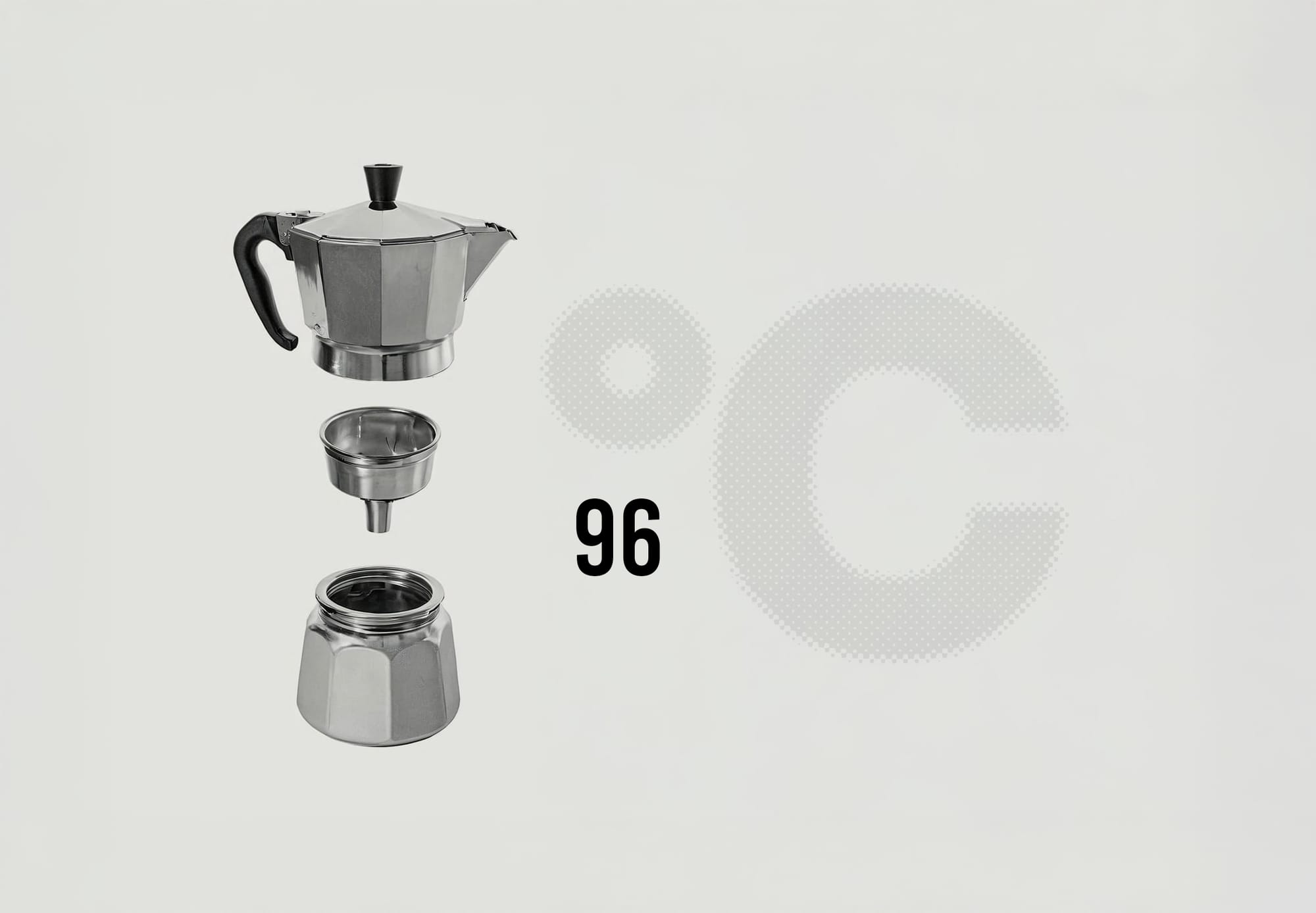
The number is on everything.
The window. The cups. The kraft paper bags that hold the house blend. Even the small chalkboard above the brew bar, where the daily filter offering is written in the same hand every morning, carries it in the corner — small, quiet, almost a signature.
96°C.
Ask the owner what it means and he'll tell you it's the temperature at which water extracts coffee most efficiently without introducing bitterness. Ask him why he made it the name of his shop and the answer takes a little longer.
"It's a reminder," says James Okafor, wiping down the brew bar with the focused attention of someone for whom the space between customers is not downtime but maintenance. "Of the margin. Everything in coffee happens in the details — the grind, the ratio, the pour rate, the temperature. You go two degrees over and you taste it. Two degrees under and you taste that too. The number is there to remind me, and everyone who works here, that the details are the whole thing."
The Origin
James Okafor opened 96 Celsius four years ago in a narrow shopfront that had previously been, in sequence, a tailor, a print shop, and a storage unit for a neighboring restaurant.
He spent three months stripping it back — removing the suspended ceiling to expose the original beams, refinishing the concrete floor, building the brew bar from reclaimed timber with a local carpenter who became, inevitably, a regular. The result is a room that feels like it has been there longer than it has: unhurried, considered, the kind of space that makes you want to slow down before you've ordered anything.
Okafor had spent eight years working in coffee before opening his own place — as a barista in two cities, as a trainer for a specialty roaster, as the kind of obsessive who takes a refractometer on holiday and thinks this is normal.
"I knew what I wanted to build," he says. "I just needed the right room."
The Coffee
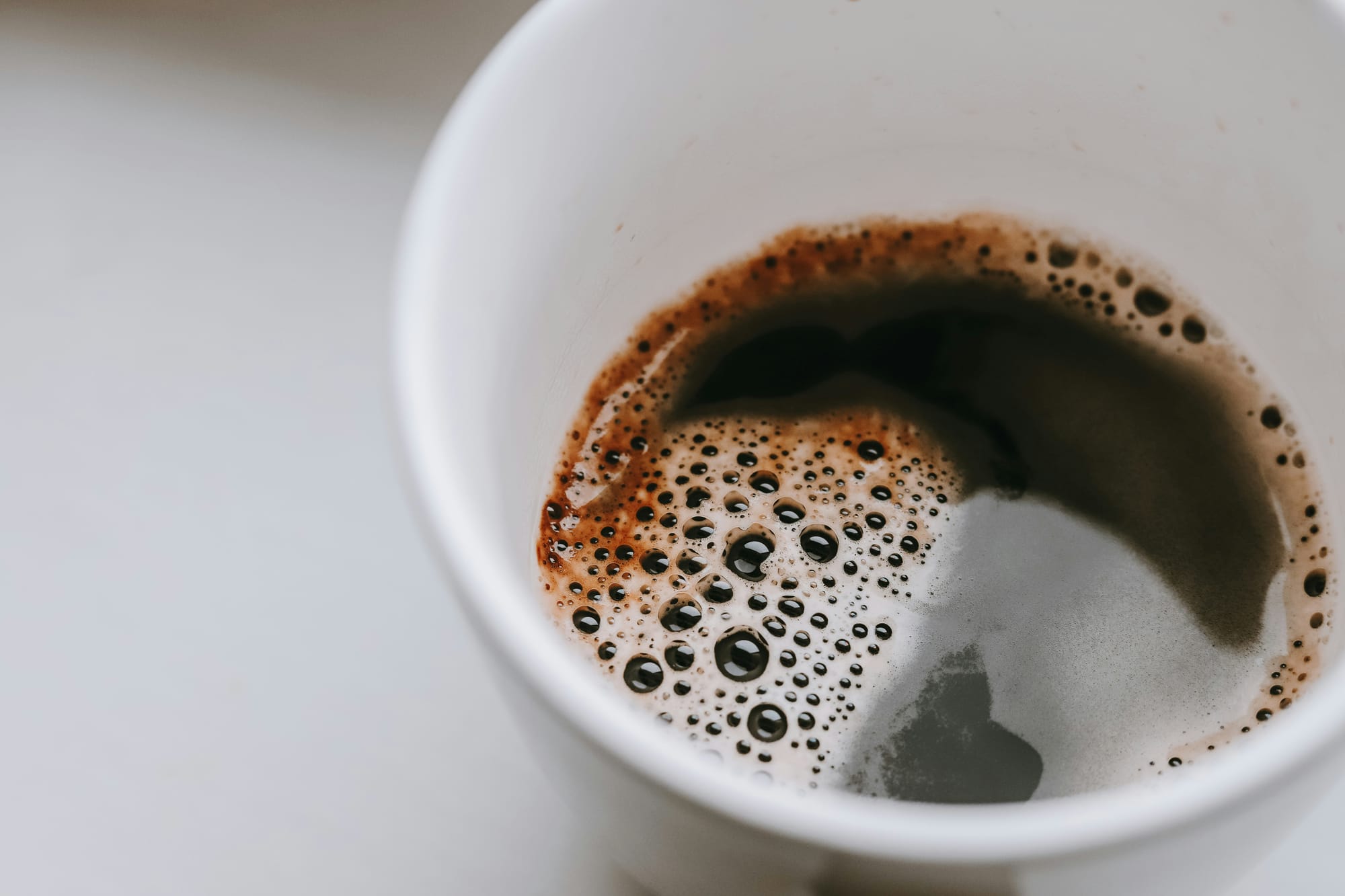
96 Celsius does not have a menu in the conventional sense.
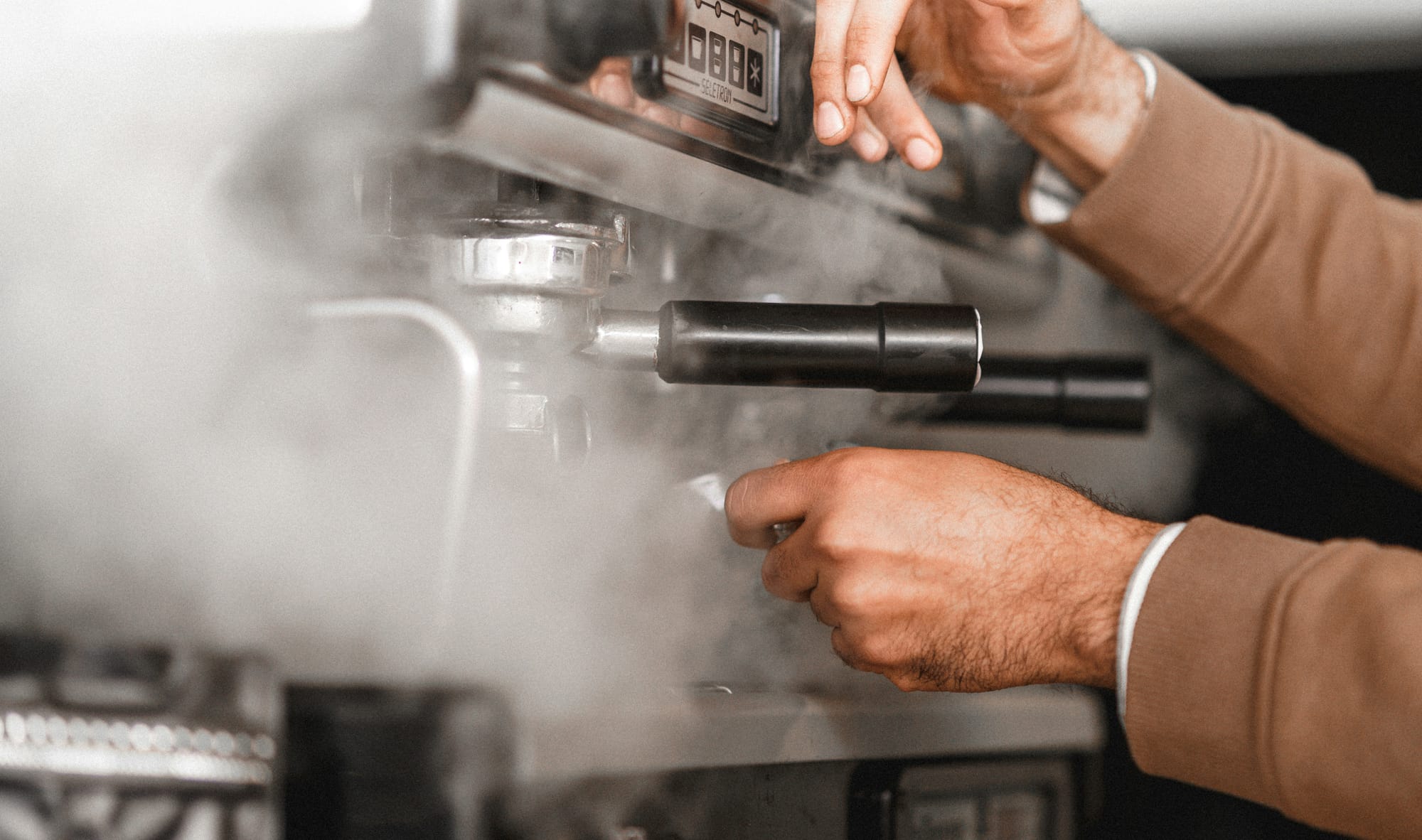
There is an espresso. There is a filter — one, changed daily based on what Okafor is currently most interested in. There is milk, steamed to order, sourced from a single dairy forty minutes from the city whose output Okafor tastes every week and will, without apology, reject if it isn't right.
That's it.
"People come in and ask where the cold brew is, where the flavored lattes are," he says, not unkindly. "I tell them we don't do those things. Most of them stay anyway. Some of them don't. That's fine."
The espresso changes seasonally — a rotating single origin rather than a fixed house blend, chosen because Okafor finds blends less interesting than watching a single origin evolve as the harvest ages. The current offering is a washed Kenyan, bright and complex, that he has been dialing in for three weeks and is finally, he says, where he wants it.
The filter changes daily because Okafor orders small quantities from roasters he admires — never enough to commit to a permanent offering, always enough to keep the bar interesting. The chalkboard above the bar carries the name, the origin, the process, and the brew temperature. Nothing else.
"If you want to know more, ask," he says. "I'll talk about it as long as you want."
The Moka Pot
On the shelf behind the bar, between the grinder and the water tower, sits a moka pot.
It is not decorative. It is the original one Okafor used when he first started getting serious about coffee — a basic aluminum stovetop model, dented slightly on one side from a move, the handle discolored from years of heat. He has never replaced it.
"That's where it started for me," he says. "My grandmother had one. Every morning, same ritual — fill it, put it on the gas, wait for it to come up. There's something about that sound, the gurgle at the end when the coffee comes through, that I've never gotten tired of."
The moka pot is, in some sense, the philosophical ancestor of 96 Celsius — a piece of equipment that demands attention, rewards consistency, and produces something completely different depending on the care you bring to it. Too much heat and it's bitter. Too little and it's flat. The margin is narrow. The details are everything.
The number made itself, in that way.
The Regulars
By 8am on a Tuesday, seven of the twelve seats are occupied by people who were here yesterday and will be here tomorrow.
There is the architect who arrives at 7:05 every morning, takes the same stool at the end of the bar, and drinks his espresso standing before sitting down to work. The two women who have been meeting here every Wednesday for three years — Okafor doesn't know what they talk about and has never asked. The delivery driver who stops in mid-route, always orders the filter, always leaves a generous tip, never stays more than four minutes.
"This is the thing I didn't fully understand when I was planning the business," Okafor says, watching the room with the quiet satisfaction of someone whose bet came in. "You're not just making coffee. You're making a place. And a place, if you get it right, makes its own people."
The Temperature
96 degrees. Not 94. Not 98.
The margin is two degrees in either direction, and within that margin, everything that makes coffee worth drinking either happens correctly or doesn't.
James Okafor built a business around that margin — around the conviction that the details are not supporting characters in the story of a good cup of coffee. They are the story. The temperature of the water, the freshness of the grind, the quality of the milk, the cleanliness of the equipment, the attention of the person behind the bar.
Remove any one of them and you taste the difference.
Keep all of them and you get something worth the detour — worth the line on a Tuesday morning, worth the slightly inconvenient location, worth the menu that doesn't have what you usually order.
Worth coming back to.
96 Celsius is open Monday through Saturday, 7am to 3pm. Espresso and daily filter only. No reservations, no app, no WiFi password on the wall.
"If you need the WiFi," says the small card on each table, "you might be in the wrong place."
