Underwater: What Swimming at 5am Taught Me About Building a Business
At 5:15 every morning, before the city wakes up, Daniel Reeves is already underwater. No phone, no meetings, no inbox. Eleven years of early mornings. Two companies, one near-bankruptcy, fifty employees. The pool, he says, is where it all began.

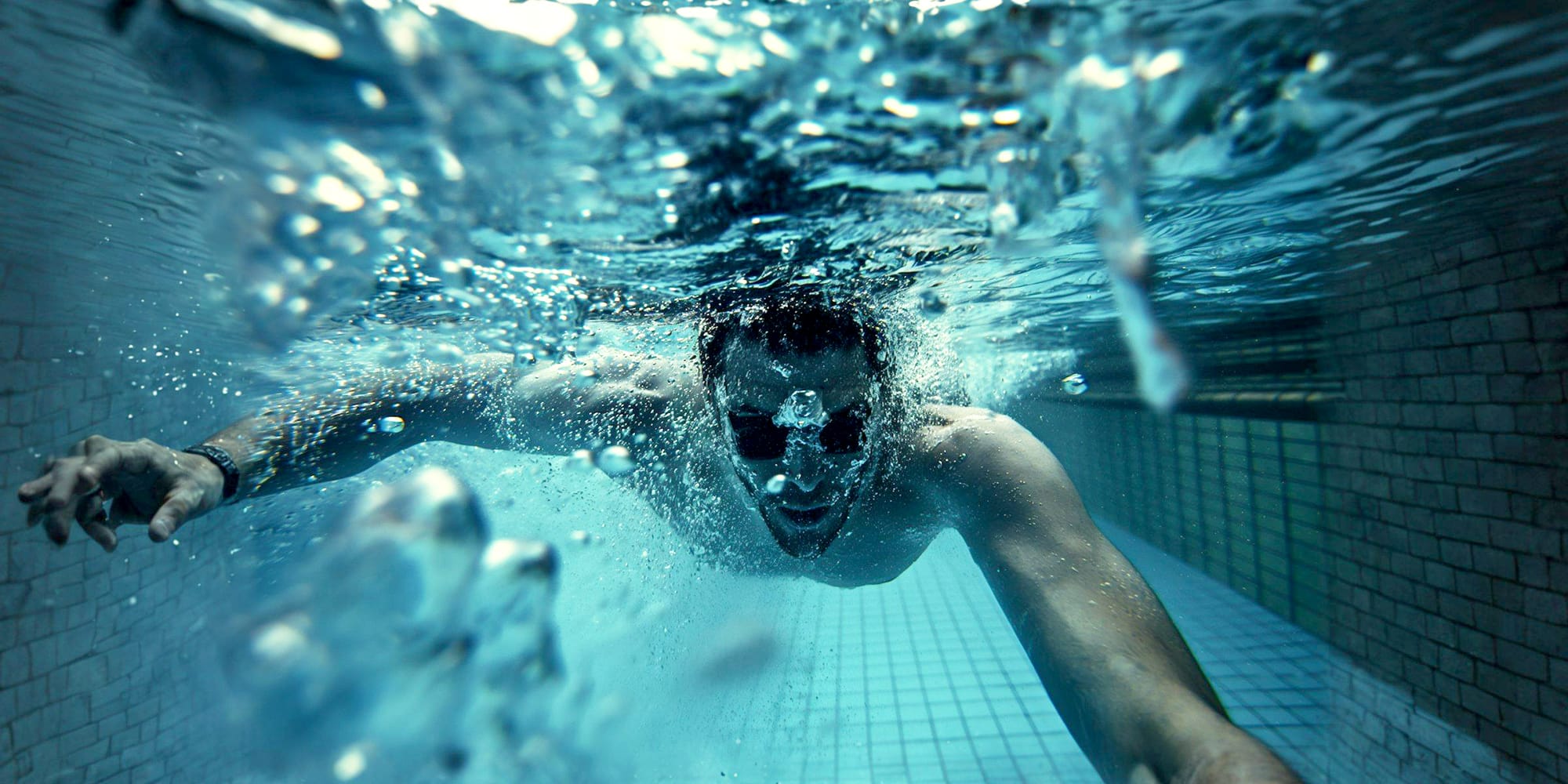
At 5:15 every morning, before the city wakes up, Daniel Reeves is already underwater.
No phone. No meetings. No inbox. Just the tile lines at the bottom of the pool, the sound of his own breathing, and the particular silence that only exists beneath the surface — a silence so complete that the rest of the world, for forty-five minutes, simply stops.
He has been doing this for eleven years. Through two company launches, one near-bankruptcy, a failed acquisition, and the kind of growth that turns a two-person operation into a fifty-person organization. Through the years when the pool was the only place where the weight of the business felt, briefly, manageable.
"The pool doesn't care what happened yesterday," he says, still damp, coffee in hand, in the kind of early morning quiet that serious people seem to prefer for conversations like this. "It just gives you the lane and asks you to move."
The Business of Resistance
Swimming, if you think about it, is a terrible metaphor for easy success.
Water resists you constantly. Every stroke, every kick, every breath — taken at the wrong moment, in the wrong direction — costs you. The medium you're moving through is fundamentally indifferent to your effort. It will push back just as hard whether you're having a good day or a bad one, whether you slept well or didn't, whether you believe in yourself or not.
Reeves built his first company — a logistics software firm that now serves mid-market manufacturers across three continents — in conditions that felt, he says, exactly like that.
"The market doesn't care about your vision," he says. "It doesn't care about your deck or your passion or how many hours you're putting in. It just pushes back. And you either find a way through the resistance or you don't."
What swimming taught him, over hundreds of thousands of laps across eleven years, was that resistance is not the enemy. It is the medium. You don't get to the other end of the pool by eliminating the water. You get there by learning to move through it efficiently — to make yourself as clean as possible, to reduce drag, to find the line of least resistance within a fundamentally resistant environment.
"That reframe changed everything for me," he says. "I stopped trying to eliminate the difficulty and started asking: how do I move through this more efficiently?"
The Turn
Every swimmer knows the turn.
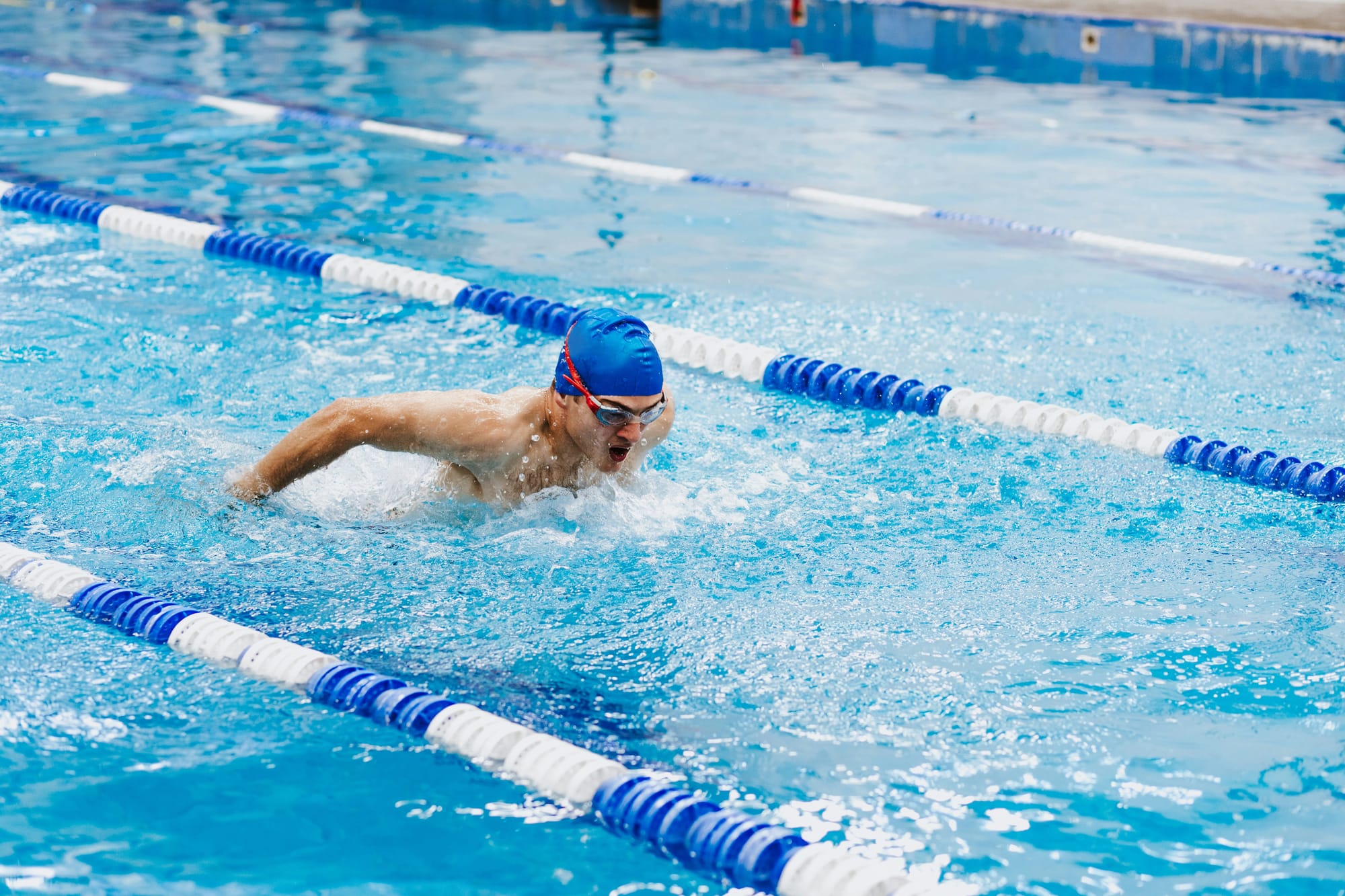
You're coming in fast, the wall approaching, and the question is always the same: do you hesitate, or do you commit? Hesitation in a flip turn costs you more than almost anything else in the race. The speed you carry into the wall is the speed that carries you off it. If you slow down before you get there, you lose both.
Reeves hit a wall of a different kind in year four of his first company. A major client pulled out. A key hire left. The runway, he recalls with the practiced calm of someone who has processed it thoroughly, was eleven weeks.
"I had two options," he says. "Pull back and try to conserve, or commit to the turn."
He committed. Restructured the team. Pivoted the core product. Had fourteen difficult conversations in two weeks. Went back to potential clients he'd written off six months earlier.
"The flip turn saved us," he says. "Not metaphorically — I literally thought about it in the pool one morning. You don't slow down going into the wall. You trust the technique and you push."
Eleven weeks later, they had two new contracts and a path forward.
Breathing
The hardest thing Reeves says he's learned — in the pool and in business — is when to breathe.
"New swimmers breathe too often," he says. "They're anxious about the air, so they turn to breathe more than they need to, and it breaks their rhythm, disrupts their stroke, costs them more than the breath is worth."
He pauses.
"New founders do the same thing. They're anxious, so they're constantly checking — the metrics, the competition, the investor sentiment, what somebody said on LinkedIn. They're turning to breathe when they should be in the stroke."
The discipline, as he learned it, is bilateral breathing — training yourself to breathe on both sides, at regular intervals, regardless of how anxious you feel about the air. It builds trust that the breath will be there when you need it. It frees you to focus on the stroke.
In business terms: build the systems, trust the data, check what needs checking at the intervals that make sense — and stop turning to breathe every thirty seconds.
"The air is there," he says. "Focus on moving."
What the Underwater Silence Is For
People sometimes ask Reeves why he doesn't use the pool time more productively. Listen to a podcast. Work through problems. Use it as thinking time.
He's tried. It doesn't work — and more importantly, he's come to understand that missing the point.
"The pool is where I go to not think," he says. "Or rather — to think the way the body thinks. To be in something physical and demanding and present. To exist somewhere that has nothing to do with any of it."
He believes, with the conviction of someone who has tested the alternative, that this is not wasted time. It is the source of everything else.
"The best decisions I've made — I didn't make them in a meeting or on a whiteboard. I made them in that quiet after a hard set, when everything else goes still. The pool gives me that. It gives me back to myself."
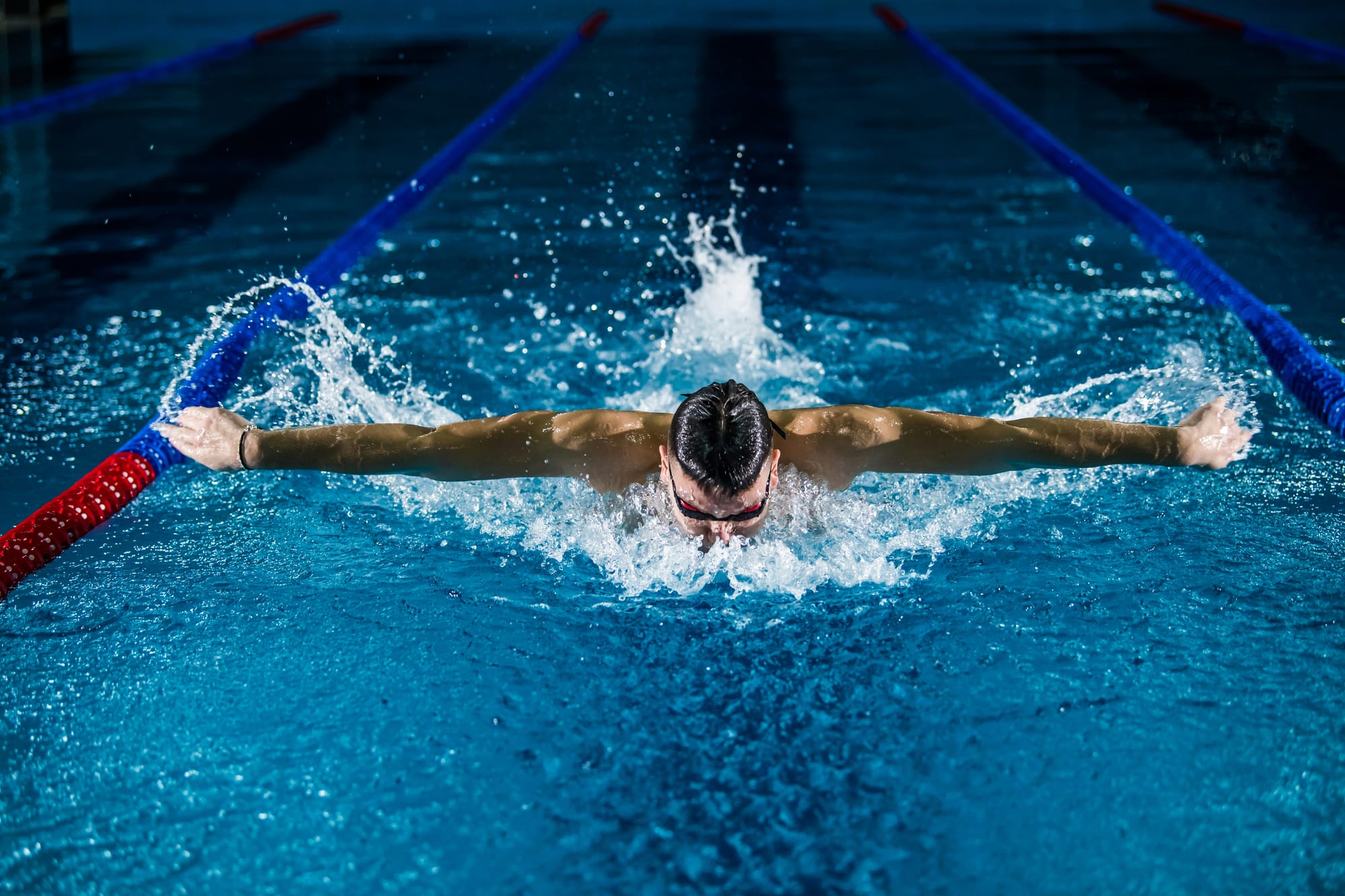
He finishes the coffee. In a few hours, the city will be fully awake and the day will begin in earnest — the calls, the decisions, the resistance.
But for forty-five minutes this morning, there was just the tile and the water and the lane.
Just a man, moving forward.
Daniel Reeves is the founder and CEO of Velotrack Logistics. He swims competitively in the masters division and has no plans to stop.
